





The history of chainsaws (between 1900-1969)
The story is presented from the perspective of two market leading manufacturers (Stihl and Husqvarna) that are still active today.
The first chain saws appeared in the late 1800s - early 1900s. The invention was by two Scottish doctors, John Aitken and James Jeffrey,
who develop the first saw designed for cutting bone.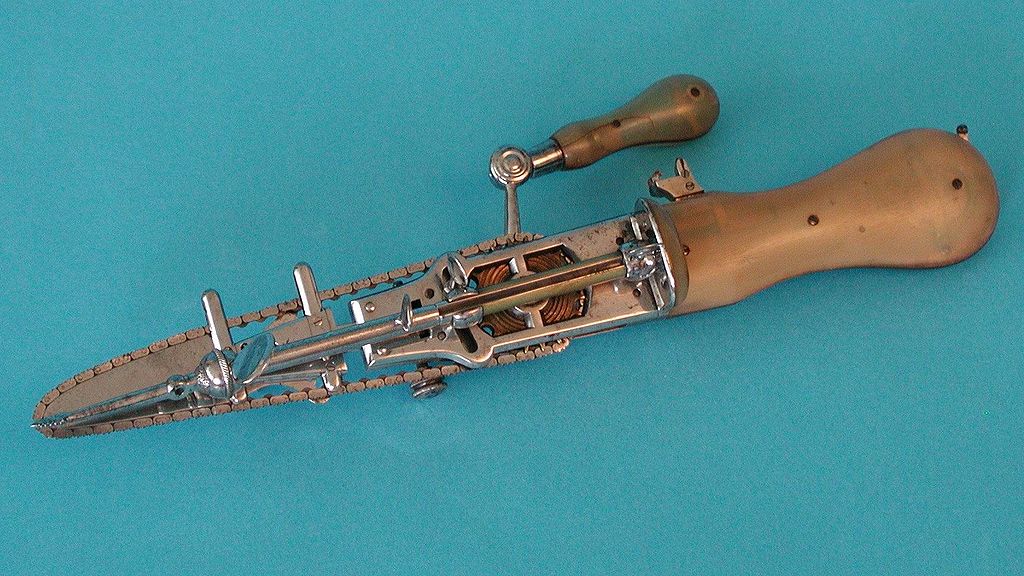
In 1926, Andreas Stihl produced the first chainsaw. The weight of the machine is 48 kilograms, with a power of 2.2 kW. The device had to be operated by two people.
Andreas Stihl designed it for home (yard) use.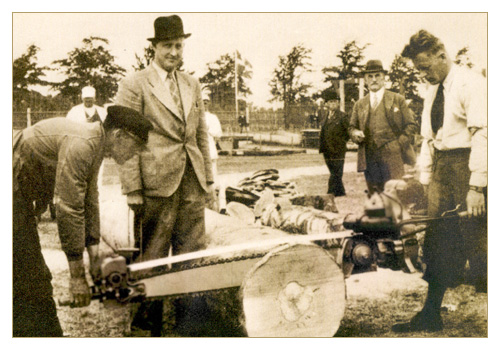
In 1932, Andreas Stihl patented the chain saw chain, which, in addition to the cutting teeth, also contains cleaning teeth for more efficient chip removal.
Production began at the end of the same year at the Stuttgart Bad Cannstadt plant.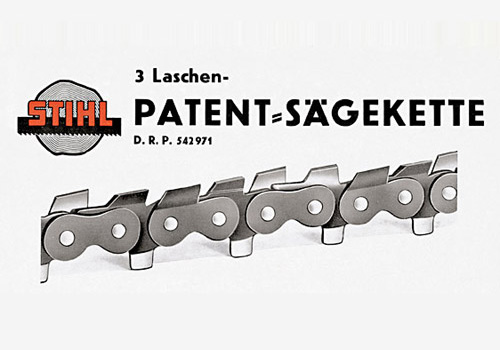
Fully automatic lubrication has been in use since 1934, providing chain and blade lubrication.
In 1935, the BBÜ frame saw was launched. This particular type of saw was used in sawmill lumber yards.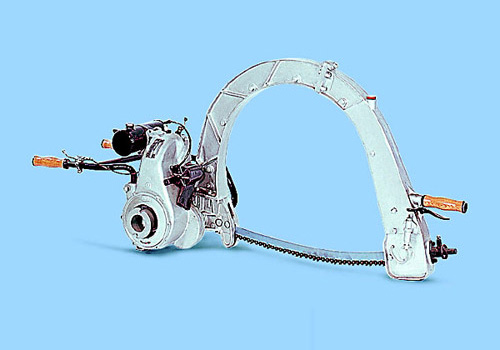
1938 was the beginning of the weight reduction of chainsaws, a process that continues to this day.
For the first time, a cylinder made of light metal (aluminum) with a chrome running surface was used, so the weight achieved was "only" 37 kilograms with a power of 7 horsepower.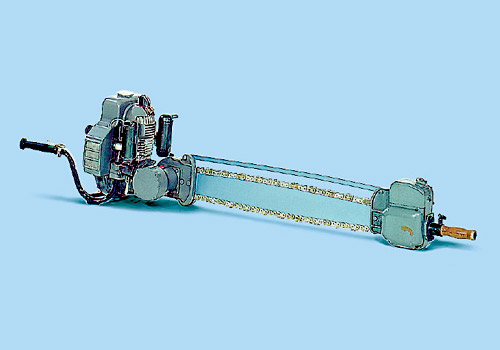
In 1943, after the cylinder, efforts were made to lighten the other structural elements as well:
The chainsaw's flywheel, fuel tank and exhaust are all starting to be made from ultra-lightweight magnesium.
In 1950, the world's first chainsaw that could be operated by one person (16 kg) was produced.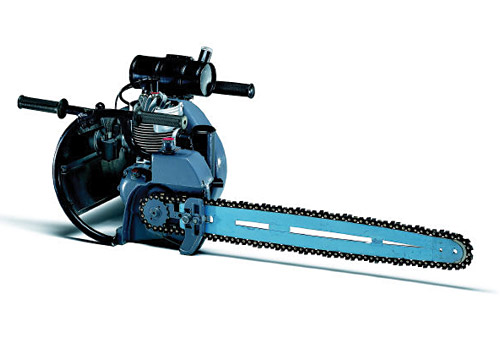
In 1959, with the appearance of the STIHL Contra (6 hp, 12 kg), the motorization of forest work became definitively recognized throughout the world.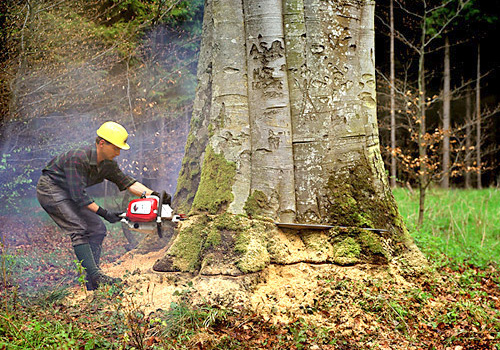
Also in the same year 1959, the Husqvarna company appeared on the market, which is still considered a serious competitor of the Stihl company. This is when Husqvarna launches its first chainsaw.
The Husqvarna 90 is the work of legendary Swedish designer Sixten Sason, who used motorcycle exhaust technology to achieve a lower noise level than other chainsaws of the time.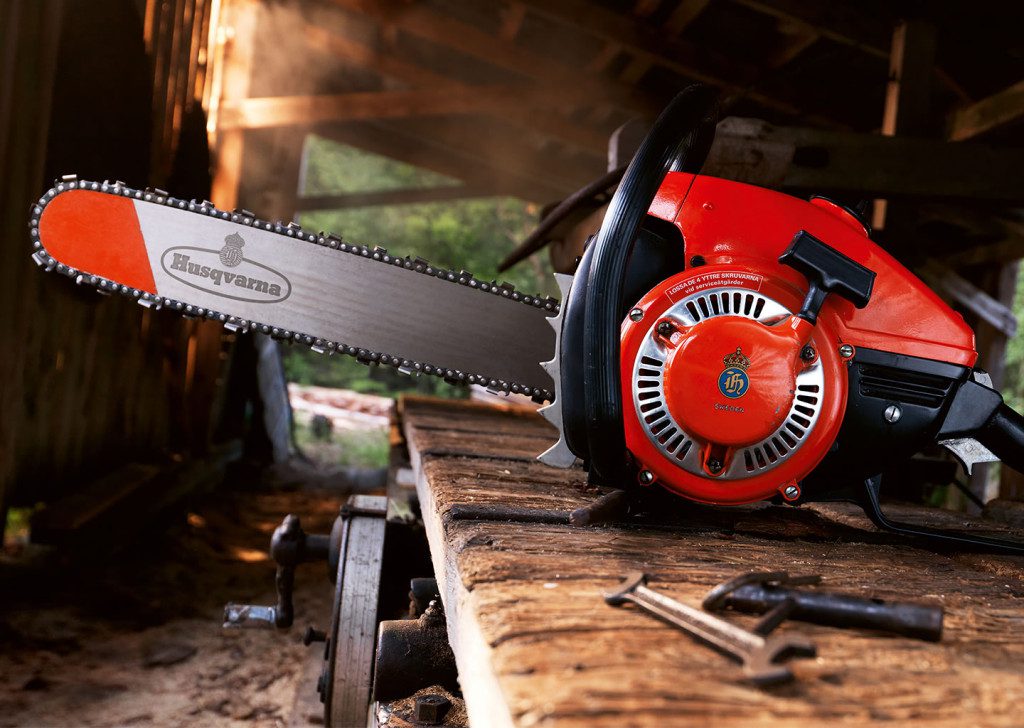
In 1961, Stihl launched the 07 chainsaw, which was presented at the Hanover Industrial Fair.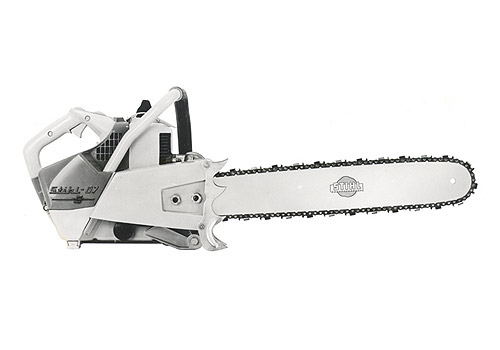
In 1962, under an agreement between Husqvarna and Crescent, Husqvarna would stop making boat engines, in return Crescent would stop making chainsaws and hand over one of its models to Husqvarna.
This model is marketed as the Husqvarna 70.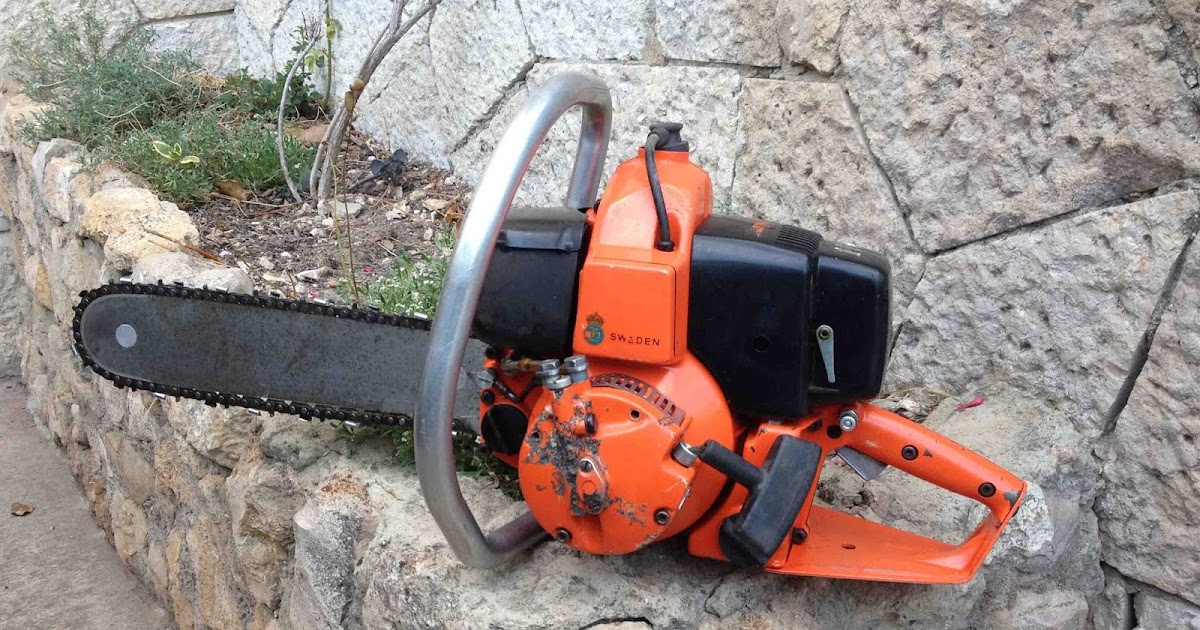
In 1964, Stihl began using the anti-vibration system.
For the first time, the chainsaw is equipped with vibration dampeners so that vibrations from the chain are absorbed by the rubber pads before they reach the operator.
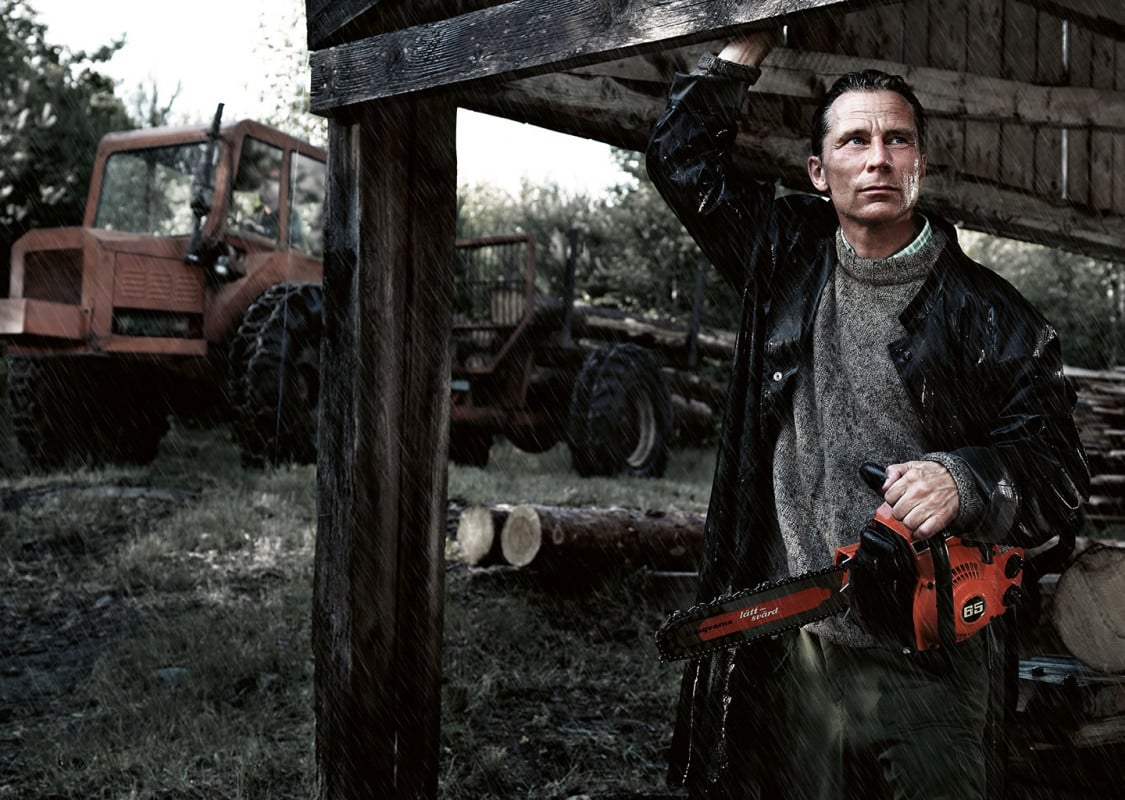
In 1966, production of the Husqvarna 65 began, which proved to be a remarkable success.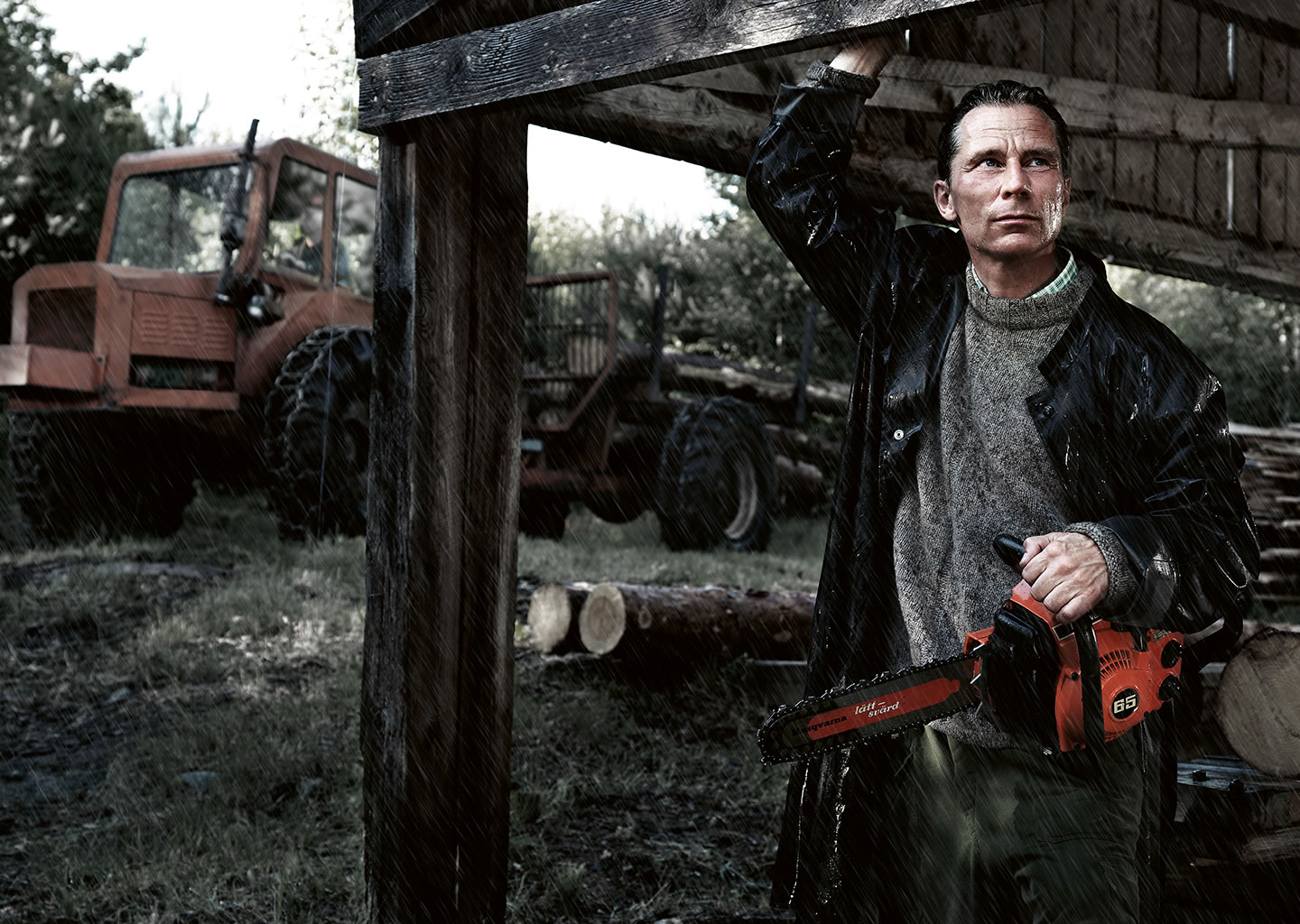
Also in 1966, in honor of the 40th anniversary, Stihl introduced the chainsaw 040 - the chainsaw has a power of 3.7 hp. and weighs only 6.8 kg.
This is the first time the power-to-weight ratio of 2.0 kg/hp has been exceeded.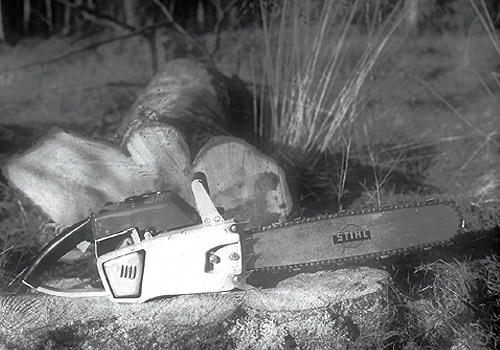
In 1968, an electronic ignition mechanism ensured trouble-free starting and optimal combustion for the first time (chainsaw 041 AV)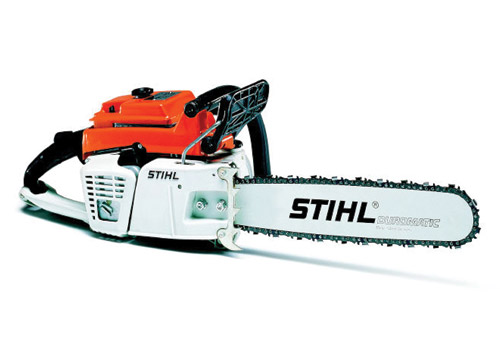
The Oilomatic chain saw was created in 1969. Precisely designed oil channels on the drive rings ensure proper lubrication of the chain.
The advertising slogan at the time was: "The chain that takes care of its own lubrication".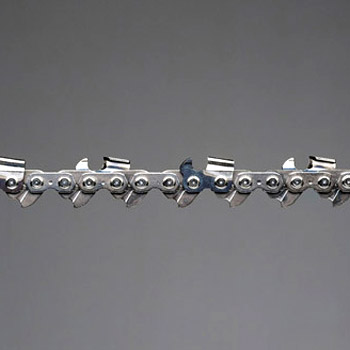
...To be continued
Reviews